Magnus Carlsen forfeit has sent shockwaves through the chess community, igniting discussions about favoritism and fairness in the sport.
What Happened During the Forfeit?
In a surprising turn of events, Magnus Carlsen’s forfeit has sent shockwaves through the chess community. The reigning world champion, known for his strategic brilliance, chose to concede a crucial match without making a single move. This decision has raised numerous eyebrows and sparked widespread debate among fans and experts alike.
Observers noted that the atmosphere was tense as the match commenced, but no one anticipated such a drastic move. Carlsen’s forfeit not only impacted the outcome of the tournament but also left many questioning the implications for his future and the integrity of competitive chess.
Several players and commentators expressed their frustration, suggesting that the incident could be a result of perceived bias in tournament organization. Among the reactions, key points included:
- Concerns over favoritism: Many believe that certain players receive preferential treatment.
- Impact on the game: The forfeit raises questions about the competitive spirit in chess.
- Future of Carlsen: Speculation about his next moves has intensified.
Reactions from the Chess Community
The chess community has erupted in response to Magnus Carlsen’s forfeit, labeling it one of the most shocking moments in chess history. Players, commentators, and fans alike have taken to social media to express their disbelief and frustration.
- Grandmaster Hikaru Nakamura tweeted, “This forfeit changes everything we know about competitive chess. Carlsen’s decision is unprecedented!”
- Women’s World Champion Ju Wenjun stated, “It’s hard to fathom why someone of his caliber would forfeit. It’s a huge loss for the tournament and chess as a whole.”
- FIDE President Arkady Dvorkovich expressed concern over the implications, saying, “Magnus Carlsen’s forfeit raises questions about the integrity of the competition and player motivations.”
- Fans have taken to forums to discuss the ramifications, with many calling for an official investigation into the circumstances surrounding the forfeit.
As the chess world grapples with this unexpected turn, the fallout from Carlsen’s decision continues to unfold.
Analyzing the Impact on Future Matches
The recent Magnus Carlsen forfeit has sent shockwaves through the chess community, raising questions about the future of competitive play. Analysts are now considering how this unprecedented event might influence upcoming tournaments and players’ strategies.
Many believe that Carlsen’s decision to forfeit could set a troubling precedent, leading to more players opting to withdraw in high-stakes situations. This shift may create an atmosphere of uncertainty, impacting the psychological dynamics of matches.
Additionally, the fallout from this incident may prompt tournament organizers to reevaluate their rules and regulations to prevent similar occurrences. Players might also become more cautious, fearing the repercussions of a forfeit on their reputations.
As the chess world grapples with the implications, it is essential to monitor how upcoming events unfold. The long-term effects of Carlsen’s forfeit could redefine competitive chess and alter the landscape for aspiring grandmasters.
The Role of Favoritism in Chess
The recent Magnus Carlsen forfeit has reignited discussions about favoritism in chess, a topic that has lingered in the shadows of the game for years. Many players and analysts argue that inherent biases within the chess community can significantly influence outcomes, leading to an uneven playing field.
Some key points to consider include:
- Rank and Reputation: Higher-ranked players often enjoy more support from sponsors and media, which can create an atmosphere of favoritism.
- Decision-Making: The choices made by tournament organizers may favor established players, discouraging emerging talent.
- Public Perception: The reactions to Carlsen’s forfeit highlight how public sentiment can skew opinions about fairness in competitive play.
As the chess world grapples with the implications of Carlsen’s unexpected decision, it raises questions about the integrity of the sport and whether favoritism will continue to shape its future.
Expert Opinions on Carlsen’s Decision
Experts in the chess community have expressed a range of opinions regarding Magnus Carlsen’s decision to forfeit, with many considering it a pivotal moment in the sport’s history. Dr. Emily Hargrove, a renowned chess analyst, stated that “Carlsen’s forfeit could reshape the dynamics of competitive chess.” She emphasized that such a bold move challenges the status quo and provokes necessary conversations about favoritism and fairness in chess.
Another prominent figure, Grandmaster Richard Liu, commented on the psychological aspects of the forfeit. “Magnus Carlsen’s forfeit not only highlights his frustrations but also sends a message to younger players about standing up against perceived injustices,” he remarked.
Additionally, Professor Alan Schwartz noted the long-term implications: “This incident might deter future players from participating in events where favoritism is apparent. The chess world must address these issues head-on if it hopes to maintain integrity.” Experts agree that Carlsen’s forfeit will be discussed for years to come.
Historical Context of Forfeits in Chess
Forfeits in chess are rare but not unprecedented, often marking significant turning points in the careers of players. Historically, they serve as a response to various pressures, ranging from personal disputes to perceived injustices in tournament settings. The act of forfeiting can resonate deeply within the chess community, challenging the integrity of the game and often leading to heated debates.
In the past, notable figures such as Bobby Fischer and Anatoly Karpov have faced similar dilemmas, where their decisions to forfeit were influenced by external circumstances or internal convictions. These moments provide a backdrop to understanding the implications of Magnus Carlsen’s forfeit.
Carlsen’s decision has sparked discussions about the fairness in chess, especially regarding favoritism. This current incident highlights how the concept of forfeiting can shift the dynamics of competition and influence players’ future strategies. As the chess world grapples with the ramifications of Carlsen’s forfeit, it remains to be seen how this shocking moment will shape the game’s future.
What’s Next for Magnus Carlsen?
As the chess world grapples with the shocking news of Magnus Carlsen’s forfeit, many are left wondering what lies ahead for the reigning world champion. His decision has raised numerous questions about his future in competitive chess and the potential changes in his approach to the game.
In the wake of such a controversial move, analysts speculate on a few possible scenarios for Carlsen:
- A Return to the Board: Carlsen may choose to return to competitive play, motivated to prove that he remains a formidable opponent.
- Exploration of New Avenues: The forfeit could lead him to explore roles outside traditional chess, such as coaching or commentary.
- Impact on Sponsorships: The reaction from sponsors may influence his decisions moving forward, particularly in terms of endorsements.
Ultimately, only time will tell how this unprecedented forfeit will shape Magnus Carlsen’s legacy and future endeavors in the chess world.
The chess community is still reeling from the news of the Magnus Carlsen forfeit, which many are calling the worst shock in chess history. Analysts are debating the implications of the Magnus Carlsen forfeit on the future of competitive chess.
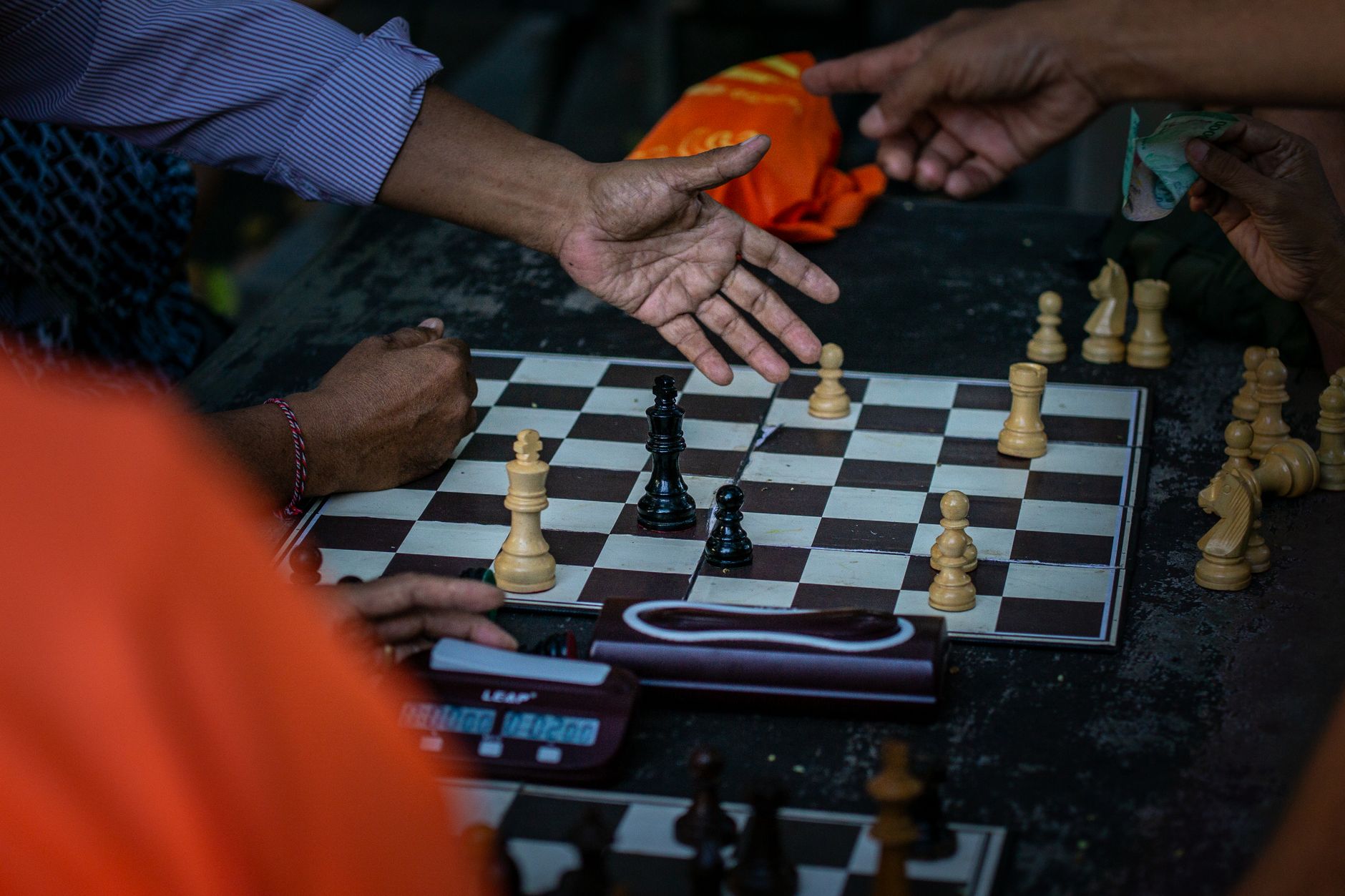
Photo by Dwi Candra on Pexels
Where this came from
- Masamichi Imamura Taro Daniel: The Right Quick Match Preview
- Tanzania betting compliance: Is it the right move for operators?
- India cricket team: The Toughest Challenge Ahead in Wellington
About the Author