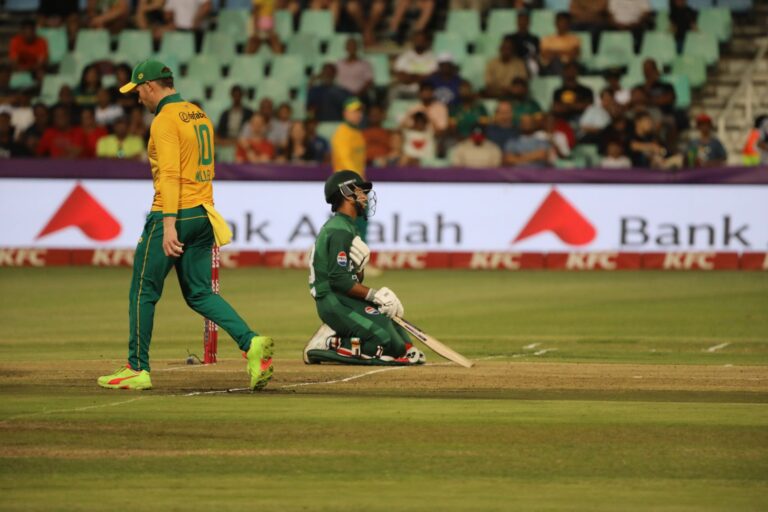

De Villiers criticizes Khawaja in a recent interview, calling him the biggest traitor he has seen in sports. This bold statement has sparked widespread debate among fans.
What Did De Villiers Say About Khawaja?
In a recent interview, former South African cricketer AB de Villiers didn’t hold back when discussing Australian batsman Usman Khawaja. His comments have sparked widespread debate among cricket fans and analysts alike. De Villiers referred to Khawaja as the “biggest traitor I have seen,” a statement that sent shockwaves through the cricketing community.
De Villiers elaborated on his views, expressing disappointment in Khawaja’s recent performances and decisions on the field. He pointed out the importance of integrity in cricket, suggesting that players should always prioritize their team’s interests over personal ambitions. According to De Villiers, Khawaja’s actions have not only let down his teammates but also the fans who support him.
Among the notable points made by De Villiers were:
- Team Loyalty: He emphasized that loyalty to the team is paramount in professional sports.
- Impact on Team Dynamics: De Villiers discussed how Khawaja’s perceived betrayal could affect team morale.
- Expectations from Players: He highlighted that players are role models and must act responsibly.
In conclusion, De Villiers’ comments on Khawaja have ignited discussions about the responsibilities athletes carry and the consequences of their actions. As the cricketing world watches closely, the implications of this criticism may resonate beyond the pitch.
The Context Behind De Villiers’ Comments
The recent comments made by AB de Villiers regarding Usman Khawaja have stirred significant debate within the cricket community. Known for his candid opinions, de Villiers did not hold back when labeling Khawaja as the “biggest traitor I have seen” in the sport. This statement has raised eyebrows and prompted discussions about the context and implications behind such strong language.
To understand the gravity of de Villiers’ criticism, it’s essential to look at the events leading up to his remarks. Khawaja has been a polarizing figure, with his performance and decisions often scrutinized by fans and analysts alike. While he has had moments of brilliance on the field, controversies surrounding his commitment and choices have led some to question his loyalty to the team.
Moreover, de Villiers’ assertion reflects a deeper sentiment among players about the importance of integrity and dedication in cricket. In a sport where camaraderie and teamwork are paramount, any perceived betrayal can have lasting repercussions. Khawaja’s recent actions, as interpreted by de Villiers, seemed to cross a line, prompting the South African legend to voice his disappointment.
As discussions continue, the cricketing world is left to ponder whether de Villiers’ harsh words are justified or simply an overreaction to the complexities of the sport. The fallout from this incident may impact not only Khawaja’s reputation but also the dynamics within the team.
Reactions from Fans and Experts
The comments made by AB de Villiers regarding Usman Khawaja have sparked a considerable backlash from both fans and cricket experts alike. Many have taken to social media to express their views on the situation, with reactions ranging from outrage to support for De Villiers’ perspective.
One fan tweeted, “De Villiers criticizes Khawaja but is he being too harsh? Everyone has their own journey!” This sentiment was echoed by several others who believe that while criticism is part of the game, calling someone a “traitor” is crossing a line.
On the other hand, some fans agreed with De Villiers, suggesting that accountability is essential in professional sports. A cricket analyst commented, “In a competitive environment, players must be held to high standards. De Villiers’ remarks reflect a frustration that many feel.”
Experts have weighed in as well, with former cricketer Mark Waugh stating, “De Villiers has been a great ambassador for the game, but these comments could overshadow his contributions.” Meanwhile, another commentator highlighted, “It’s vital for players to support each other, especially in tough times.”
As the debate continues, fans remain divided over whether De Villiers’ criticism of Khawaja is justified or if it represents the worst betrayal in the cricketing world.
Understanding Loyalty in Sports
In the world of sports, loyalty is often seen as a paramount virtue. Athletes are expected to uphold their commitments to their teams, fans, and the sport itself. This expectation creates a complex dynamic, especially when incidents arise that challenge these notions. Recently, De Villiers criticized Khawaja for what he deemed a significant breach of loyalty, igniting debates among players and fans alike.
Understanding loyalty in sports involves recognizing the emotional investment that athletes make in their teams. Loyalty can manifest in various forms, including:
- Dedication to training and performance
- Support for teammates during challenging times
- Commitment to the team’s goals and vision
When an athlete is perceived to have betrayed these principles, as De Villiers suggested with Khawaja, it raises questions about personal integrity and team dynamics. The implications of such criticisms can be far-reaching, affecting not only the individuals involved but also the broader sporting community. Fans may feel disillusioned, while teammates can be left grappling with trust issues.
Ultimately, loyalty in sports is not just about allegiance; it is about fostering a culture of respect and unity. As athletes navigate their careers, the challenge remains to balance personal aspirations with the loyalty owed to their teams, a balance that De Villiers believes Khawaja has failed to maintain.
Comparing Other Controversial Statements
In the world of cricket, controversial statements are not uncommon, but few have stirred the pot quite like the recent comments made by AB de Villiers regarding Usman Khawaja. De Villiers criticizes Khawaja, labeling him the “biggest traitor” he has encountered in his career. This bold assertion has drawn parallels with other notable instances where players have faced backlash for their remarks or actions.
To illustrate, consider the following examples:
- Kevin Pietersen’s Memoir: The former England batsman faced significant criticism after publishing his autobiography, where he openly criticized teammates and management, leading to a rift within the team.
- Ricky Ponting’s Leadership Comments: Ponting’s comments on the Australian team’s culture and performance often sparked debates, especially when he pointed fingers at younger players.
- Shane Warne’s Disputes: Warne was no stranger to controversy, frequently making headlines with his comments about players and selectors, which sometimes undermined team unity.
These instances reflect a broader trend in sports where loyalty is frequently tested. De Villiers’ remarks about Khawaja resonate deeply in this context, raising questions about what constitutes betrayal in a sport that thrives on camaraderie and trust. As the dust settles, the implications of such statements continue to reverberate through the cricketing community.
In a surprising turn of events, De Villiers criticizes Khawaja for his recent performance on the field, claiming it has let the team down. Many fans are left wondering if De Villiers criticizes Khawaja out of frustration or if there are deeper issues at play.
Photo by Arsal Point on Pexels
Where this came from
Related reading
Magnus Carlsen forfeit: The Worst Shock in Chess History · Masamichi Imamura Taro Daniel: The Right Quick Match Preview · Tanzania betting compliance: Is it the right move for operators?
About the Author