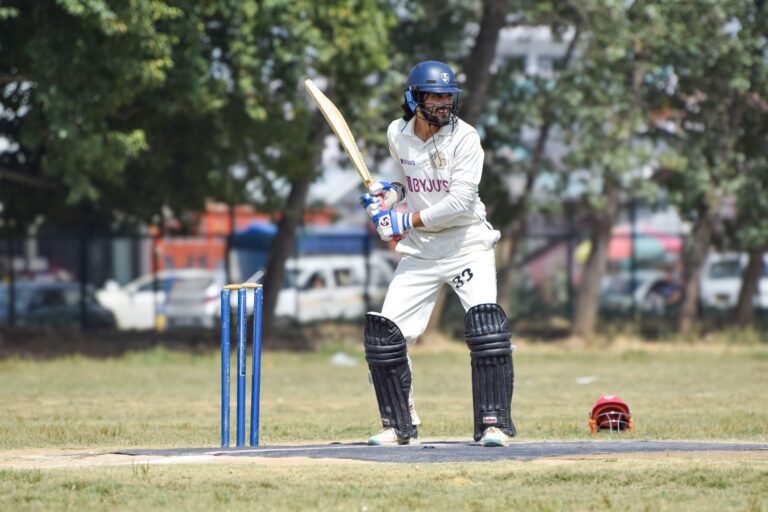

The Pakistan winter Test problem has caught the attention of cricketing figures like Babar Azam and Mike Hesson. They propose a ‘pink’ solution to address the issue of lost overs during winter matches.
Understanding the Pakistan winter Test problem
The ongoing challenges surrounding the Pakistan winter Test problem have drawn significant attention from players and analysts alike. With conditions often affecting the quality of play, teams struggle to maintain focus and performance throughout the series.
Recent discussions led by captain Babar Azam and coach Mike Hesson have highlighted the pressing need for a viable solution. They have suggested the introduction of pink balls during these winter matches to enhance visibility and maintain the game’s pace, especially in the evenings when light conditions can be poor.
Key factors contributing to the Pakistan winter Test problem include:
- Frequent weather disruptions that lead to lost overs.
- Challenges in maintaining player concentration due to prolonged stoppages.
- The traditional red ball not being as effective in these environments.
Implementing a change, such as using pink balls, may not only address visibility issues but also stimulate greater engagement from spectators. As the cricketing community weighs the pros and cons, the focus remains on finding a sustainable solution to the ongoing winter Test dilemma in Pakistan.
Impact of lost overs on match outcomes
The recent winter Test matches in Pakistan have highlighted the significant impact of lost overs on match outcomes. With 141 overs lost during recent fixtures, the integrity and results of these matches are called into question. The cricketing community has raised concerns about how such a loss can skew the balance between bat and ball, often favoring one side disproportionately.
Key figures in cricket, including Babar Azam and Mike Hesson, have suggested innovative solutions to address this persistent issue. Their proposal for using a pink ball aims to enhance visibility and improve playing conditions during the shorter daylight hours typical of winter months in Pakistan.
This situation emphasizes the broader Pakistan winter Test problem, where traditional formats struggle against weather constraints. As teams compete, the loss of overs can lead to draws or uncompetitive matches, diminishing fan engagement and interest. The cricketing authorities must weigh these factors carefully to ensure that the sport retains its essence and excitement, even in challenging conditions. Solutions like the pink ball could pave the way for a more balanced and fair playing environment.
Babar Azam’s perspective on winter Tests
Babar Azam, the captain of the Pakistan cricket team, has expressed his concerns regarding the ongoing winter Test problem that has affected match outcomes due to lost overs. He believes that a proactive approach is necessary to address these challenges and ensure that Test cricket remains engaging and competitive.
In a recent statement, Babar highlighted the significance of adapting to the conditions that winter brings. He suggested a potential solution involving the use of pink balls, which have been used successfully in day-night Tests around the world. Babar stated, “The pink ball allows for better visibility in adverse light conditions and can help maximize playing time, especially in winter when days are shorter.”
He emphasized the need for cricket boards to consider innovative strategies to tackle the Pakistan winter Test problem, ensuring players and fans experience the full essence of the game. Babar’s perspective aligns with that of Mike Hesson, who has also advocated for the introduction of pink-ball Tests in winter, signifying a collective push towards finding effective solutions that enhance the quality and competitiveness of the matches.
Mike Hesson’s proposed solutions
Mike Hesson, the former New Zealand coach, has put forth several proposals aimed at addressing the Pakistan winter Test problem. He emphasizes the need for innovative approaches to enhance the quality and outcome of matches affected by weather disruptions.
One of Hesson’s primary suggestions is the introduction of pink ball Test matches. He believes that the use of pink balls could mitigate the impact of lost overs, as they are designed to perform better in twilight conditions. This would allow for more competitive play even during challenging winter months.
Additionally, Hesson advocates for rescheduling matches to ensure they are played during the most favorable weather periods. He suggests that careful planning and assessment of historical weather patterns could lead to a better allocation of match days, reducing the frequency of interruptions.
Furthermore, he encourages the Pakistan Cricket Board (PCB) to adopt advanced training methods for players to adapt to these conditions, ensuring they are better prepared for the realities of winter Tests. Hesson’s insights aim to foster a more resilient cricketing environment in Pakistan, where the winter Test problem can be effectively managed.
The role of pink balls in cricket
The introduction of pink balls in cricket has sparked considerable debate, especially in the context of the Pakistan winter Test problem. Traditionally, Test matches have been played with red balls, which can struggle in the challenging conditions of winter, particularly under artificial lighting.
One significant advantage of pink balls is their visibility during twilight hours. As matches in Pakistan often experience reduced daylight, especially in winter, the pink ball can enhance visibility for both players and spectators. This could lead to more exciting cricket, as players may find it easier to pick up the ball against the backdrop of fading light.
However, the pink ball does come with its own set of challenges. Critics argue that it behaves differently than its red counterpart, particularly in the early stages of a match. Bowlers may find it swings more, potentially favoring the bowling side early on. This could result in a more uneven contest between bat and ball, impacting match outcomes.
Ultimately, the implementation of pink balls in winter Tests could be a viable solution to address the Pakistan winter Test problem, but it will require careful consideration and adaptation from players and teams alike.
Historical context of winter Tests
The historical context of winter Tests in Pakistan reveals a complex relationship between the sport and the climate. Traditionally, Pakistan has hosted Tests during the winter months, primarily to avoid the extreme heat of the summer. However, this has led to significant challenges, particularly regarding weather interruptions and the consequent loss of match overs.
Over the years, venues such as Karachi and Lahore have experienced unpredictable weather patterns, resulting in numerous matches being affected by fog and rain. The 141 overs lost in recent matches highlight the ongoing Pakistan winter Test problem, raising questions about the viability of continuing this schedule without significant adjustments.
Additionally, the use of pink balls, which are designed for day-night matches, has been suggested as a potential solution to mitigate some of these issues. While the pink ball offers better visibility under artificial lighting, its effectiveness in the colder conditions of winter has yet to be fully assessed.
The historical precedence of winter Tests, coupled with the evolving nature of cricket, necessitates a reevaluation of scheduling and playing conditions to ensure that matches are not only competitive but also fair and enjoyable for players and fans alike.
Comparative analysis with other countries
When examining the Pakistan winter Test problem, it is essential to analyze how other cricketing nations have addressed similar challenges. Countries with colder climates, such as England and Australia, have developed strategies to mitigate the effects of winter conditions on gameplay.
- England: The English domestic season often features matches in less-than-ideal weather. The use of covers and advanced drainage systems allows for quicker recovery after rain delays, minimizing lost overs.
- Australia: In response to summer heat, Australia has integrated day-night Tests with pink balls, which tend to retain visibility under lights and can be played in cooler evening hours, thus reducing the impact of extreme temperatures.
- South Africa: South African venues are adept at scheduling matches during milder months, ensuring that matches are less affected by seasonal weather fluctuations.
By studying these examples, Pakistan could explore similar adaptations, particularly the potential for day-night Tests to alleviate the issues stemming from winter conditions. Implementing these strategies might not only enhance match quality but also provide a long-term solution to the persistent winter Test problem faced by the nation.
Future of Test cricket in Pakistan
The future of Test cricket in Pakistan hinges on addressing the ongoing winter Test problem that has plagued players and audiences alike. With the challenges posed by weather conditions leading to significant overs being lost, a viable solution is essential to ensure the format’s survival and integrity.
To navigate this issue, several stakeholders have weighed in, emphasizing the importance of adapting to the unique climatic conditions of the region. One of the most discussed solutions is the introduction of pink balls, which are designed for better visibility and durability under artificial lighting. This could allow matches to extend into the evening, mitigating the impact of lost overs.
Moreover, enhancing infrastructure and facilities to accommodate day-night Tests could attract larger crowds and maintain fan engagement. As cricket boards worldwide explore innovative formats to revitalize interest, Pakistan must consider similar strategies to overcome its winter Test problem. By prioritizing robust planning and innovative solutions, the Pakistan Cricket Board can restore the allure of Test cricket and ensure its relevance in the global cricketing landscape.
Ultimately, the future of Test cricket in Pakistan depends on effective adaptations that cater to both players’ needs and fans’ expectations.
The Pakistan winter Test problem has been a topic of discussion among cricket enthusiasts and analysts alike. Exploring potential solutions to the Pakistan winter Test problem could lead to more favorable conditions for players and fans.
Photo by asif khan on Pexels
Read the original
Related stories
- KL Rahul captaincy: Is it the right choice for Delhi Capitals?
- Spain UEFA Nations League: Best Barcelona Duo Set to Shine
- Kusal Mendis Batting Elite: A Proven Rise to Glory
About the Author